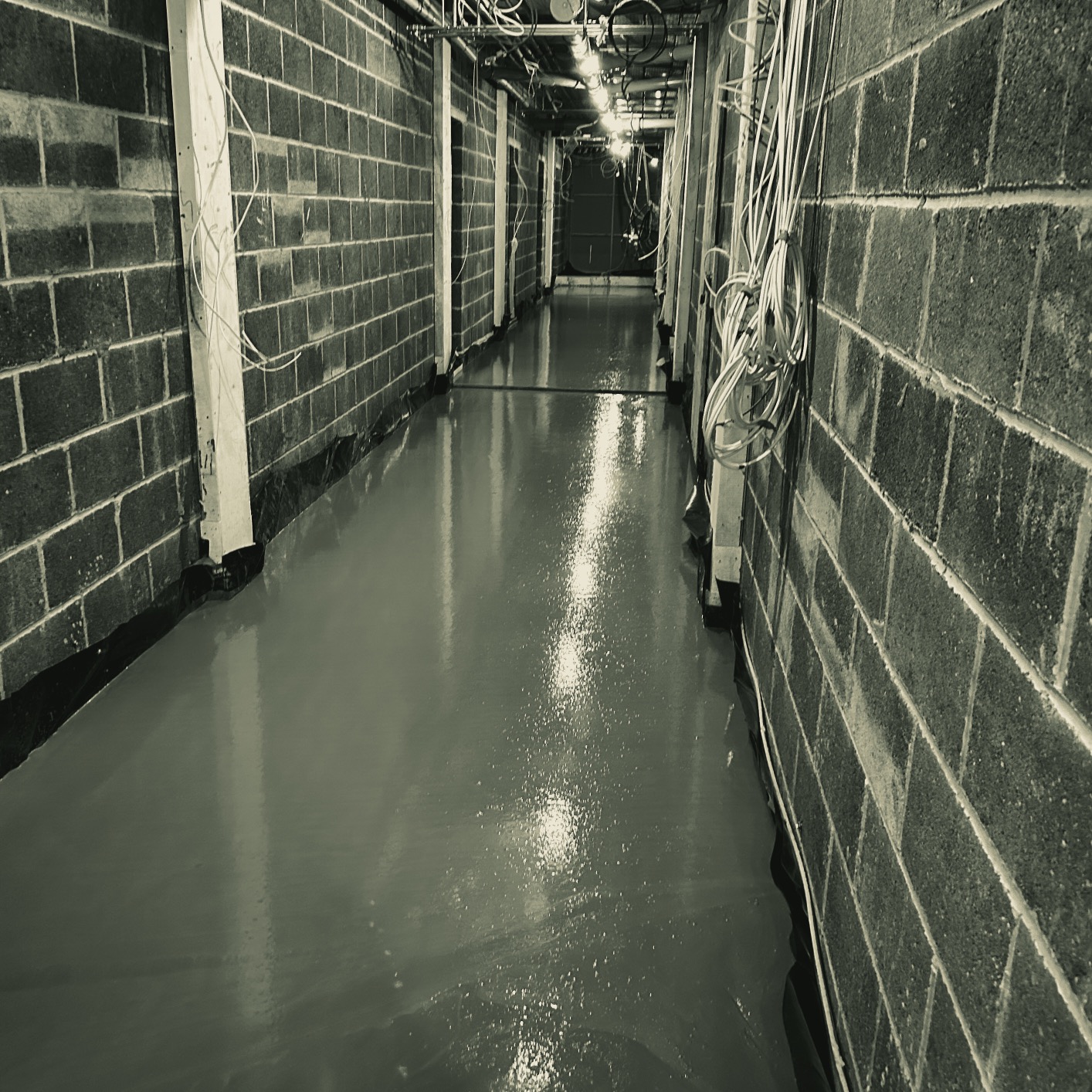
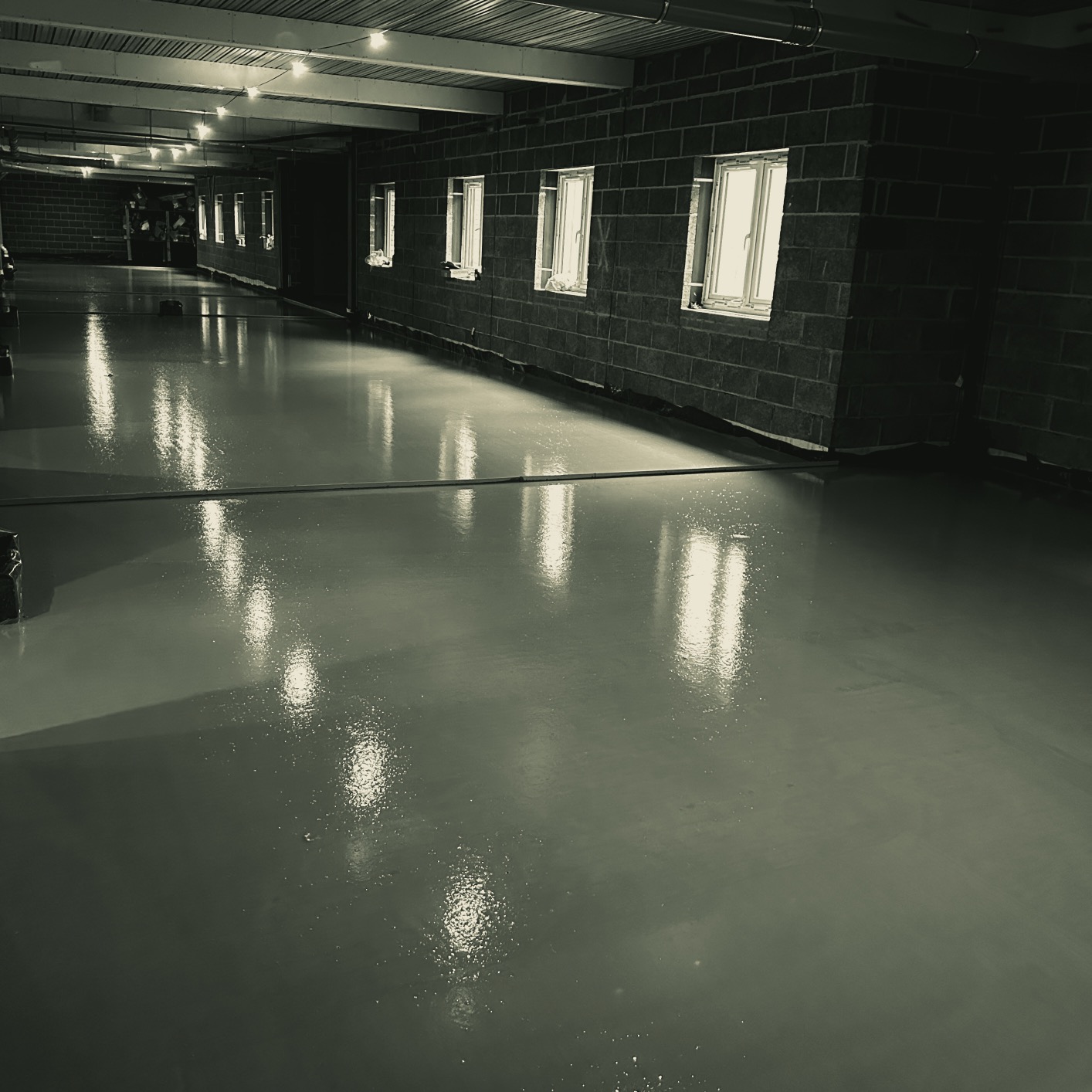
Sand and cement screed is one of the most established and dependable methods of creating a strong, level floor base. It is suitable for residential, commercial and industrial properties and can be installed beneath many different types of finished flooring.
Screed London UK provides professional sand and cement screed services throughout London. With years of practical industry experience, the company works with homeowners, builders, developers, landlords and commercial clients on projects of different sizes.
Whether you need screed for a single room, home extension, complete development or commercial premises, an experienced installation team can help prepare the floor for the next stage of work.
Professional Sand and Cement Screed Contractors in London
Traditional screed is generally made from a carefully controlled mixture of sharp sand, cement and water. Fibres or specialist additives may also be included when required by the project specification.
The material has a semi-dry consistency and is placed, compacted and finished by experienced screeders. This enables the installers to establish accurate floor levels and create a stable base for the final covering.
Sand and cement screed can be used beneath ceramic and porcelain tiles, timber, engineered wood, laminate, vinyl, luxury vinyl tiles, carpet and specialist resin systems. Before the finished flooring is installed, the screed must be allowed to dry sufficiently and meet the moisture requirements of the selected covering.
Benefits of Traditional Sand and Cement Screed
Traditional screed has been used successfully within the construction industry for many years. Its versatility makes it suitable for new buildings, renovation projects, extensions and commercial developments.
Unlike fluid screeding materials, semi-dry sand and cement screed can be shaped to produce specific floor profiles. Experienced installers can form falls towards drainage points, accommodate different floor heights and create transitions between areas receiving different finishes.
The system can also be installed using several methods, allowing it to form part of different floor constructions. The correct approach depends on the substrate, available depth, insulation and intended use of the property.
Bonded Sand and Cement Screed
Bonded screed is applied directly to a properly prepared structural substrate. A suitable bonding method is used to create adhesion between the screed and the existing base.
This construction may be considered when the available floor depth is limited. The condition and preparation of the substrate are particularly important because the performance of the installation depends on the bond between both layers.
Dust, loose material, contamination and weak sections of the existing surface must be addressed before installation. The appropriate bonding system and screed thickness should be confirmed according to the project requirements.
Screed London UK can assess the floor and discuss whether a bonded sand and cement screed is suitable for the proposed application.
Unbonded Sand and Cement Screed
An unbonded screed is separated from the structural base by a membrane. This means that the screed does not depend on direct adhesion to the substrate beneath it.
The separating layer may help isolate the screed from moisture or movement within the base. However, the screed must be installed at a suitable depth to create a stable and durable floor.
The membrane needs to be positioned correctly, while perimeter details, finished levels and movement joints should be established before the screed is placed.
An unbonded construction may be appropriate in both residential and commercial buildings, subject to the floor design and technical specification.
Floating Sand and Cement Screed
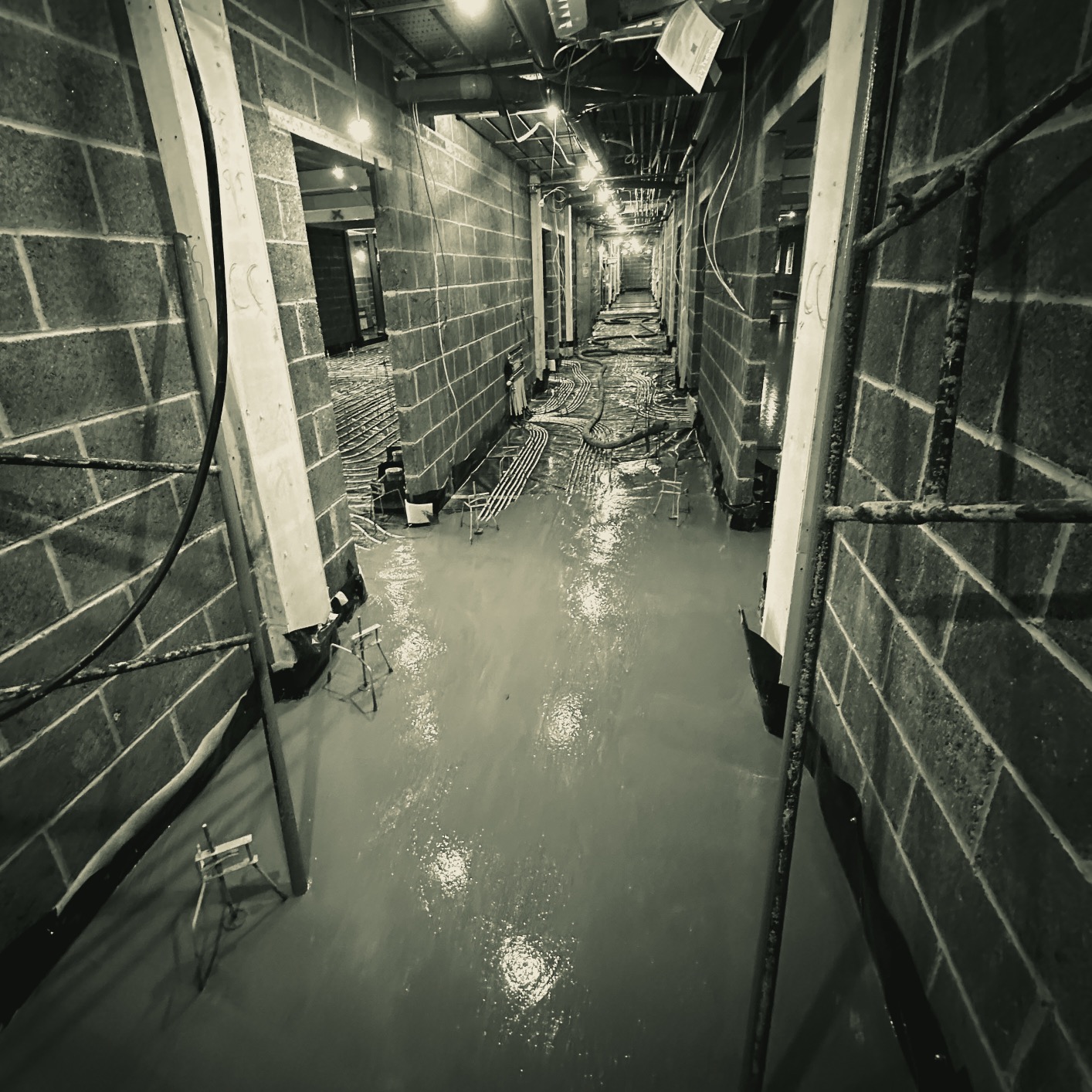
Floating screed is installed over a layer of thermal or acoustic insulation. It is commonly used in new-build homes, apartment developments, extensions and properties containing underfloor heating.
The screed is not directly connected to the structural base, so the stability of the insulation and the correct screed depth are particularly important. Perimeter insulation should be fitted around walls, columns and other structural elements.
A floating floor may incorporate several layers, including the structural slab, damp-proof membrane, insulation, heating pipes, screed and final floor finish. Each component must be considered when establishing the required finished height.
Screed London UK can work with builders and developers to coordinate the screed installation with the complete floor build-up.
Sand and Cement Screed for Underfloor Heating
Traditional sand and cement screed can be installed over underfloor heating pipes. It protects the system and assists with transferring warmth across the floor.
Before screeding begins, the heating pipes should be securely fixed and tested. Suitable insulation helps direct the heat into the room, while perimeter edging allows for movement around the edges of the screed.
The specified depth above the pipes must be maintained during installation. Movement joints may also be necessary depending on the shape and size of the area.
After the screed has been placed, it needs appropriate curing and drying time. The heating should only be commissioned when the screed is ready, with the temperature raised gradually in accordance with the relevant technical guidance.
Early coordination between the screeding contractor, heating installer and builder can help prevent problems and ensure that the finished floor reaches the required level.
Residential Sand and Cement Screeding
Screed London UK provides traditional screeding for new-build houses, renovations, extensions, kitchens, bathrooms, living rooms, garages, utility areas, flats and apartments.
Residential projects often require floor levels to be coordinated with doors, stairs, kitchen units and adjoining rooms. The planned thickness of tiles, timber or another final covering should be considered before the screed level is established.
Extensions can be particularly challenging because the new floor must connect correctly with the existing property. Accurate measurements and careful planning help create a consistent base across both areas.
Private homeowners can contact Screed London UK with measurements, photographs and details of the planned flooring. The team can then review the project and prepare an appropriate quotation.
Commercial Sand and Cement Screed
Traditional screed is also suitable for offices, retail units, restaurants, hotels, schools, warehouses, workshops, apartment developments and mixed-use properties.
Commercial projects often involve strict programmes and coordination between multiple trades. The installation must be scheduled after the floor area has been correctly prepared but early enough to allow sufficient drying before the final flooring is fitted.
Screed London UK works with contractors, developers, property managers and business owners. Information regarding parking, delivery restrictions, working hours and access through the building should be provided during the quotation stage.
The company can assist with individual commercial premises as well as larger developments containing substantial screeded floor areas.
Preparing for Sand and Cement Screed Installation
Correct preparation is essential for a reliable screed installation. The exact process depends on whether the floor will use a bonded, unbonded or floating system.
The substrate may require cleaning and mechanical preparation. Membranes, insulation, perimeter edging and underfloor heating pipes should be installed according to the project specification. All services must be securely fixed, and the required finished levels should be clearly established.
The property should be enclosed and protected from rain, excessive draughts and unsuitable temperatures. Safe access must be available for the screeding team, materials and equipment.
Screed London UK can explain the preparation requirements in advance so that the site is ready on the agreed installation date.
Sand and Cement Screed or Flowing Screed?
Traditional and flowing screed systems offer different advantages. Traditional sand and cement screed is particularly useful when a project requires specific falls, different levels or detailed floor profiles.
Flowing screed can provide efficient coverage across larger areas and around underfloor heating pipes. Its fluid consistency may suit modern open-plan properties and larger developments.
The correct choice depends on the floor construction, site access, available depth, drying programme and final flooring. Screed London UK offers both options and can recommend a practical solution based on the individual project.
Why Choose Screed London UK?
Screed London UK has years of industry experience and provides professional screeding services for private and commercial clients across the capital.
Every project is assessed individually, ensuring that the proposed floor construction reflects the substrate, building use and final finish. Customers receive clear communication, practical guidance, reliable scheduling and professional workmanship.
The company can assist with traditional sand and cement screed, bonded screed, unbonded screed, floating screed, flowing screed and screed for underfloor heating.
Sand and Cement Screed Across London
Professional screeding services are available throughout Central, North, South, East and West London. Screed London UK operates in locations including Westminster, Kensington, Chelsea, Fulham, Hammersmith, Ealing, Hounslow, Wembley, Camden, Islington, Hackney, Stratford, Greenwich, Croydon, Bromley and Wimbledon.
Customers in other districts can provide their project postcode to confirm availability. Accurate information about the floor area, access and proposed specification will help the team prepare a suitable quotation.
Get a Sand and Cement Screed Quote
If you need a reliable and durable floor base, contact Screed London UK to discuss professional sand and cement screed installation.
Provide the project address, approximate floor area, required screed thickness, floor construction and details of any underfloor heating. Plans, photographs, technical specifications and your preferred installation date will also help the team assess the work.
Contact Screed London UK today and request a competitive quotation for residential or commercial sand and cement screeding in London.