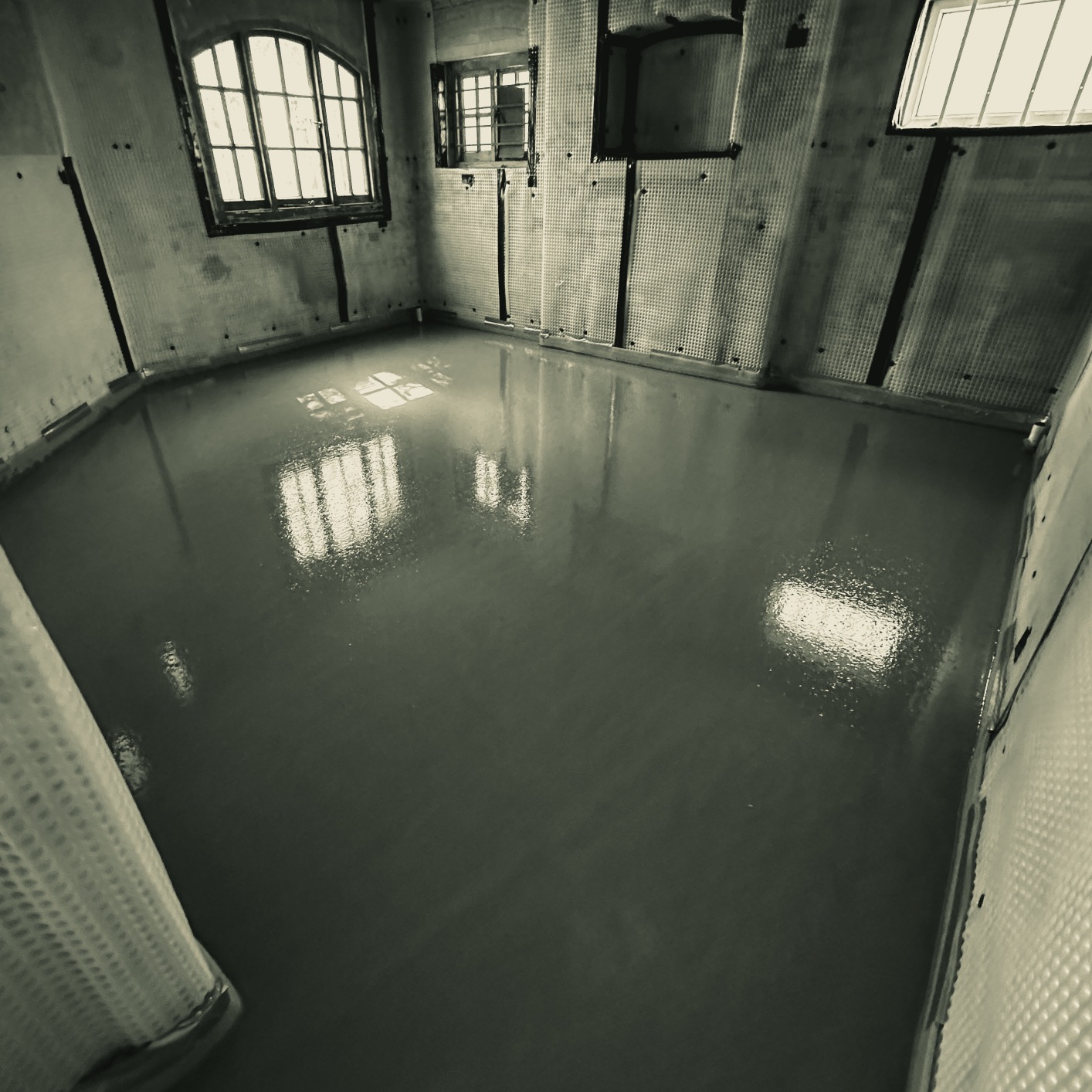
Flexible Floor Screed London
Flexible floor screed can provide a durable and adaptable base for properties where the floor may experience limited movement, thermal changes or demanding conditions. Depending on the project, flexibility may be achieved through polymer modification, fibres or a specialist screed formulation.
Screed London UK provides professional flexible floor screed and floor preparation services throughout London. With years of industry experience, the company works with homeowners, landlords, builders, developers and commercial clients.
Every project is assessed individually so that the selected screed reflects the substrate, installation depth, underfloor heating system and intended final flooring.
Professional Flexible Floor Screed Contractors in London
Flexible screed is a general term used for screeding products designed to tolerate more movement or thermal stress than a standard rigid levelling layer. The precise characteristics depend on the material and manufacturer’s specification.
Some flexible screeds contain polymers that improve adhesion and performance. Others incorporate fibres to control shrinkage and distribute stresses within the floor. Latex-based smoothing compounds may also provide a flexible preparation layer for certain applications.
The correct product must be selected according to the floor construction. A thin smoothing compound performs a different function from a structural sand and cement screed, so the two should not be treated as interchangeable.
Screed London UK can assess the project and recommend a suitable floor screeding or levelling system.
When Is Flexible Screed Used?
Flexible floor screed may be considered where the substrate is subject to minor movement, temperature variation or vibration. It can also be useful when preparing floors for finishes that require a smooth and stable base.
Properties containing underfloor heating experience repeated changes in temperature. The screed and final floor covering must be able to accommodate this thermal cycle without being installed under excessive stress.
Renovation projects may contain several substrates or transitions between old and new floors. A suitable flexible or reinforced system can form part of the preparation, subject to the condition and construction of the base.
No screed can compensate for serious structural movement. Significant cracking, instability or deflection should be investigated before a new flooring system is installed.
Polymer-Modified Floor Screed
Polymer-modified screed contains specialist additives intended to improve characteristics such as adhesion, strength, water resistance or flexibility.
These products may be suitable for bonded applications, repairs, thinner installations and floors exposed to demanding conditions. Their properties and permitted depths vary, so the manufacturer’s technical specification must be followed.
Correct mixing and substrate preparation remain essential. Adding an unsuitable product or changing the recommended proportions can affect the performance of the completed screed.
Professional installation helps ensure that the material is used in accordance with its intended application.
Fibre-Reinforced Screed
Fibres can be incorporated into traditional sand and cement screed to help control plastic shrinkage and distribute internal stresses.
Fibre-reinforced screed is often considered for floating floors and underfloor heating installations. The fibres are distributed throughout the mixture, providing reinforcement across the screeded area.
The use of fibres does not remove the need for correct screed depth, perimeter edging or movement joints. The complete floor must still be designed and installed according to its specification.
Screed London UK can discuss fibre screed options for residential and commercial projects across London.
Flexible Screed for Underfloor Heating
Underfloor heating causes the floor to warm and cool repeatedly. This creates thermal movement that must be considered when selecting and installing the screed.
The heating pipes should be securely fixed and tested before screeding begins. Insulation, membranes and perimeter edging need to be installed correctly, while movement joints should be planned according to the floor layout.
A fibre-reinforced, flowing or specialist flexible screed may be recommended depending on the system design. The selected screed must provide sufficient coverage around the heating components and create a suitable base for the final flooring.
After installation, the screed needs adequate drying time. The heating should be commissioned gradually and only when the floor is ready.
Flexible Screed for Timber Floors
Timber substrates can move because of changes in load, temperature and moisture. Applying a rigid material directly to an unstable timber floor may lead to cracking.
Before a flexible screed or levelling compound is installed, the timber base should be inspected for movement, damage and inadequate support. Loose boards must be secured, and the substrate may require reinforcement or an appropriate separating system.
The chosen product should be specifically suitable for timber and compatible with the final flooring.
Flexible screed may accommodate limited movement, but it cannot correct serious structural deflection. The floor must be sufficiently stable before preparation begins.
Flexible Screed for Concrete Floors
Concrete can provide a strong substrate for flexible screed, but it still requires proper assessment and preparation.
Paint, oil, adhesive residue, laitance and dust may interfere with adhesion. Cracks and damaged areas should be examined before they are covered.
Depending on the installation, the concrete may require mechanical preparation, cleaning and priming. The selected flexible screed should be suitable for the required application depth and intended final flooring.
Screed London UK can review the existing surface and advise whether a polymer-modified, fibre-reinforced or conventional screed is appropriate.
Flexible Screed for Tiles
Tiles require a stable base, but some floors experience limited movement or temperature changes. A suitable flexible screed can form part of the floor preparation system.
The screed, primer, adhesive, grout and any movement-control products should be compatible. Wet rooms and bathrooms may also require an appropriate waterproofing or tanking system.
Movement joints within the floor should not simply be covered without consideration. They may need to continue through the screed and tiled finish according to the project design.
Where falls towards drainage are required, traditional sand and cement screed can be shaped to produce the necessary gradient.
Flexible Screed for Vinyl and LVT
Vinyl and luxury vinyl tiles need a smooth surface because imperfections may remain visible through the completed floor.
A flexible smoothing compound can correct minor irregularities and provide an even base. The existing substrate must still be stable, clean and sufficiently dry.
The screed or smoothing compound should be allowed to dry in accordance with its specification before adhesives and flooring are applied.
Moisture testing may also be necessary, particularly over new concrete or traditional screed.
Residential Flexible Floor Screeding
Screed London UK provides flexible screeding and floor levelling for houses, flats, apartments, kitchens, bathrooms, living rooms, extensions and renovation projects.
Residential floors may contain old concrete, traditional screed, timber sections or new underfloor heating installations. Each substrate has different preparation requirements.
The team can assess the available floor depth, intended final covering and expected movement before recommending a suitable solution.
Private homeowners, landlords and builders can provide measurements, plans and photographs when requesting a quotation.
Commercial Flexible Floor Screed
Flexible screed may be used in offices, retail units, restaurants, hotels, schools, apartment developments and other commercial premises.
Commercial floors can experience regular foot traffic, vibration, temperature changes and movement around transitions. The screed specification should reflect the intended use of the property and final flooring material.
Refurbishment projects often operate according to fixed opening or handover dates. The preparation, installation and drying periods should therefore be included within the programme from the beginning.
Screed London UK works with contractors, developers, property managers and business owners throughout London.
Flexible Screed or Traditional Screed?
Flexible and traditional floor screeds perform different roles depending on their formulation.
Traditional sand and cement screed provides a durable base and allows installers to form different levels, falls and gradients. Fibre or polymer modification may be introduced where required by the specification.
Flowing screed can cover larger floor areas efficiently and is commonly used with underfloor heating. Latex and flexible smoothing compounds are generally applied in thinner layers to prepare existing floors.
The appropriate choice depends on the substrate, depth, expected movement and final finish. Screed London UK offers several systems and can recommend a practical option after assessing the project.
Preparing the Floor for Flexible Screed
The substrate should be sound, stable and free from contamination. Dust, weak material, paint, oil and incompatible adhesive residue may need to be removed.
Cracks and movement should be assessed before the new layer is applied. The floor may also require mechanical preparation, priming, reinforcement or a separating membrane.
Where insulation or underfloor heating forms part of the construction, each component must be installed securely. Finished levels, perimeter edging and movement joints should be established in advance.
The exact preparation process will depend on the flexible screed product and existing floor.
Why Choose Screed London UK?
Screed London UK has years of experience providing professional screeding, floor levelling and preparation services.
The company can assist with flexible screed, fibre-reinforced screed, polymer-modified screed, traditional sand and cement screed, bonded screed and flowing screed.
Every recommendation is based on the requirements of the individual project. Customers receive clear communication, practical guidance, reliable scheduling and professional workmanship.
Flexible Floor Screed Across London
Services are available throughout Central, North, South, East and West London. Screed London UK covers Westminster, Kensington, Chelsea, Fulham, Hammersmith, Ealing, Hounslow, Wembley, Camden, Islington, Hackney, Stratford, Greenwich, Croydon, Bromley, Wimbledon and surrounding districts.
Customers in other areas can provide the project postcode to confirm availability.
Request a Flexible Floor Screed Quote
If your project requires a durable screed capable of accommodating limited movement or thermal changes, contact Screed London UK to discuss the available options.
Provide the project address, approximate floor area, substrate type, required depth and intended final flooring. Details of underfloor heating, existing cracks and your preferred installation date will help the team assess the work.
Plans and photographs can also be supplied. Contact Screed London UK today for a competitive flexible floor screed quotation in London.