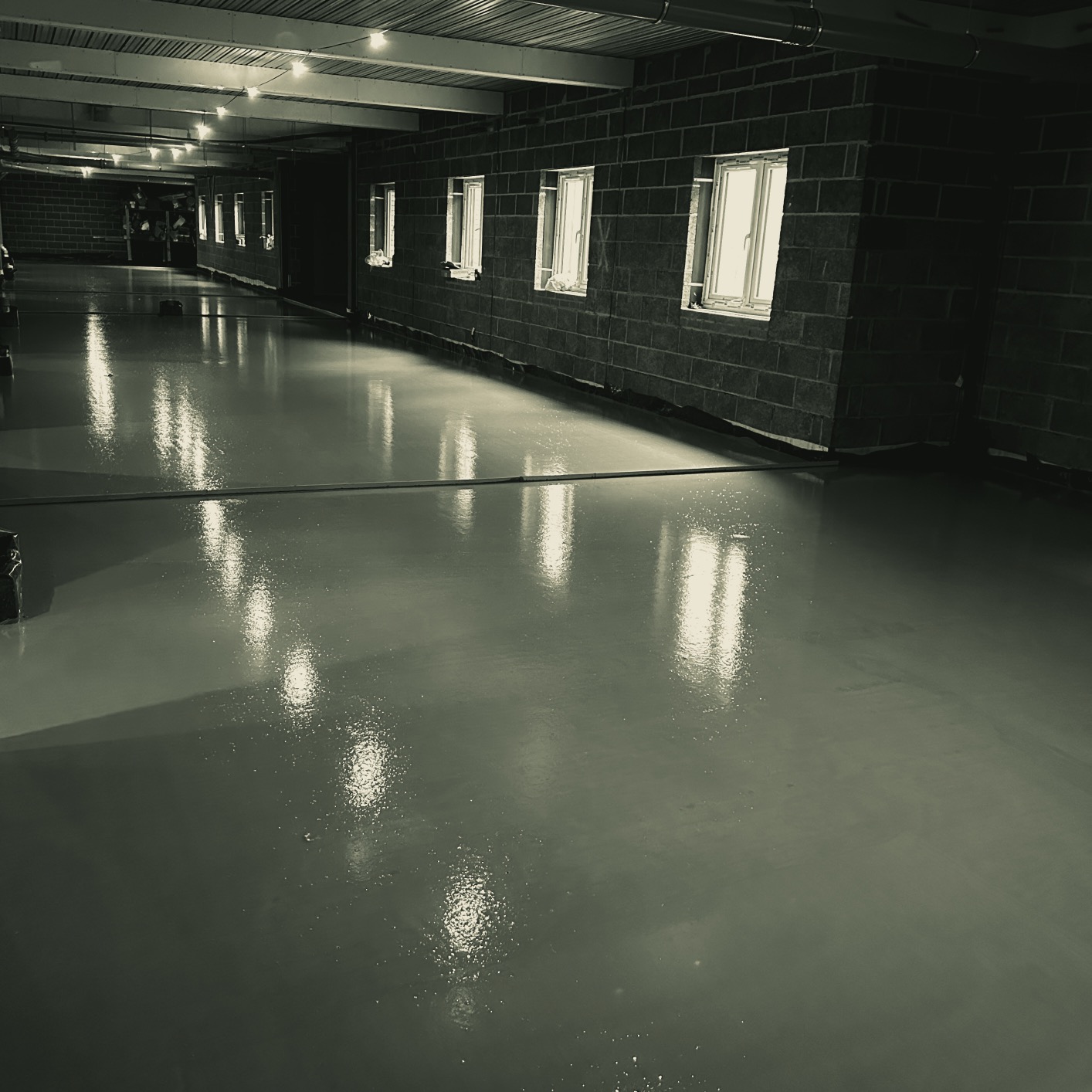
Concrete Levelling London
Uneven concrete can make it difficult to install a new floor correctly. High points, low areas, cracks and changes in height may affect tiles, timber, vinyl, carpet, resin and other flooring systems. Professional concrete levelling creates a stable and consistent base for the final finish.
Screed London UK provides reliable concrete levelling services throughout London. With years of practical experience, the company works with homeowners, landlords, builders, developers and commercial customers on projects ranging from individual rooms to extensive property developments.
Every floor is assessed individually so that the proposed solution reflects the condition of the concrete, required depth, intended use and chosen floor covering.
Professional Concrete Levelling Contractors in London
Concrete levelling may be required in both old and newly constructed properties. Existing floors can contain variations caused by previous alterations, surface wear or poor original workmanship. New concrete slabs may also require additional preparation before decorative or specialist flooring is fitted.
The first step is to inspect the substrate and measure the extent of the irregularities. Minor surface imperfections require a different approach from deeper areas or substantial variations across an entire property.
Screed London UK can assess the proposed floor construction and recommend an appropriate screed or levelling method. Correct planning at this stage can reduce delays when the final flooring contractor begins work.
Problems Caused by Uneven Concrete
An uneven concrete base can affect the appearance and performance of the finished floor. Tiles may be difficult to align, and excessive adhesive may be required to compensate for differences in height. Smooth vinyl and luxury vinyl tiles can reveal imperfections beneath their surface.
Timber and laminate floors also require a suitably flat and stable base. If the concrete contains significant variations, boards may move, flex or create unwanted noise after installation.
Differences in floor level can cause additional problems around internal doors, stairs, fitted furniture and adjoining rooms. Levelling the concrete before these elements are completed provides greater control over the final result.
Assessing the Concrete Substrate
Before new material is installed, the existing concrete should be examined for contamination, weak areas, cracking, moisture and movement.
Paint, oil, adhesive, dust and laitance may prevent a bonded product from adhering correctly. Depending on the proposed levelling system, the surface may need cleaning, mechanical preparation or local repair.
Cracks should be assessed to determine whether they are stable or associated with ongoing movement. Covering a moving crack without addressing its cause may allow it to transfer through the new screed or floor finish.
Moisture must also be considered, particularly when timber, vinyl or another sensitive flooring material will be installed. The complete preparation process should reflect the substrate and final flooring requirements.
Sand and Cement Screed for Concrete Levelling
Traditional sand and cement screed is commonly used to establish floor levels over a concrete base. Its semi-dry consistency allows experienced installers to create a stable floor surface, specific gradients and changes in height.
A bonded screed is applied directly to suitably prepared concrete using an appropriate bonding system. It can be an effective option where the available floor depth is restricted.
An unbonded screed is separated from the structural concrete by a membrane. A floating screed is installed over thermal or acoustic insulation and forms part of a more complex floor build-up.
Each system has different depth and preparation requirements. Screed London UK can review the project specification and recommend a suitable construction.
Flowing Screed for Concrete Floors
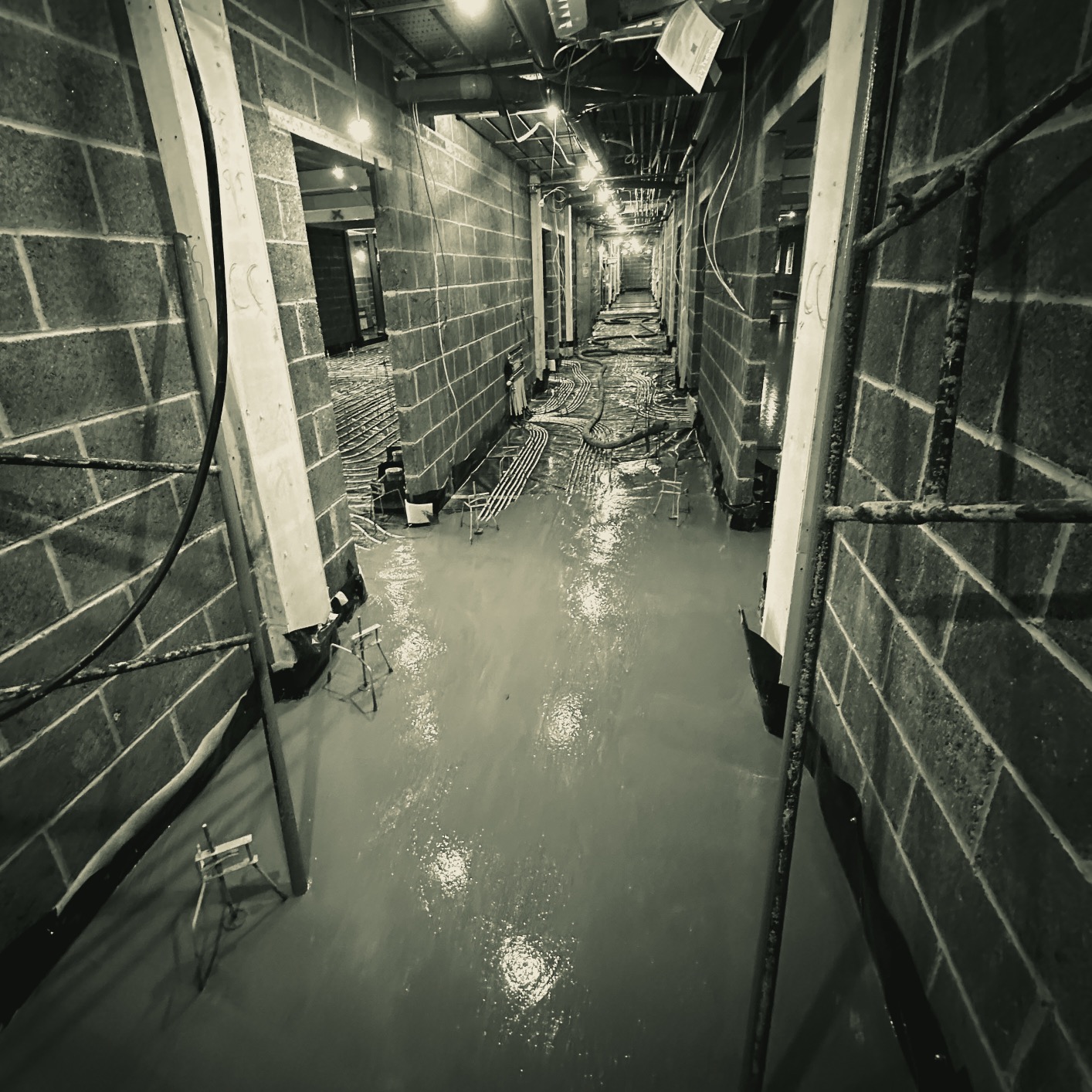
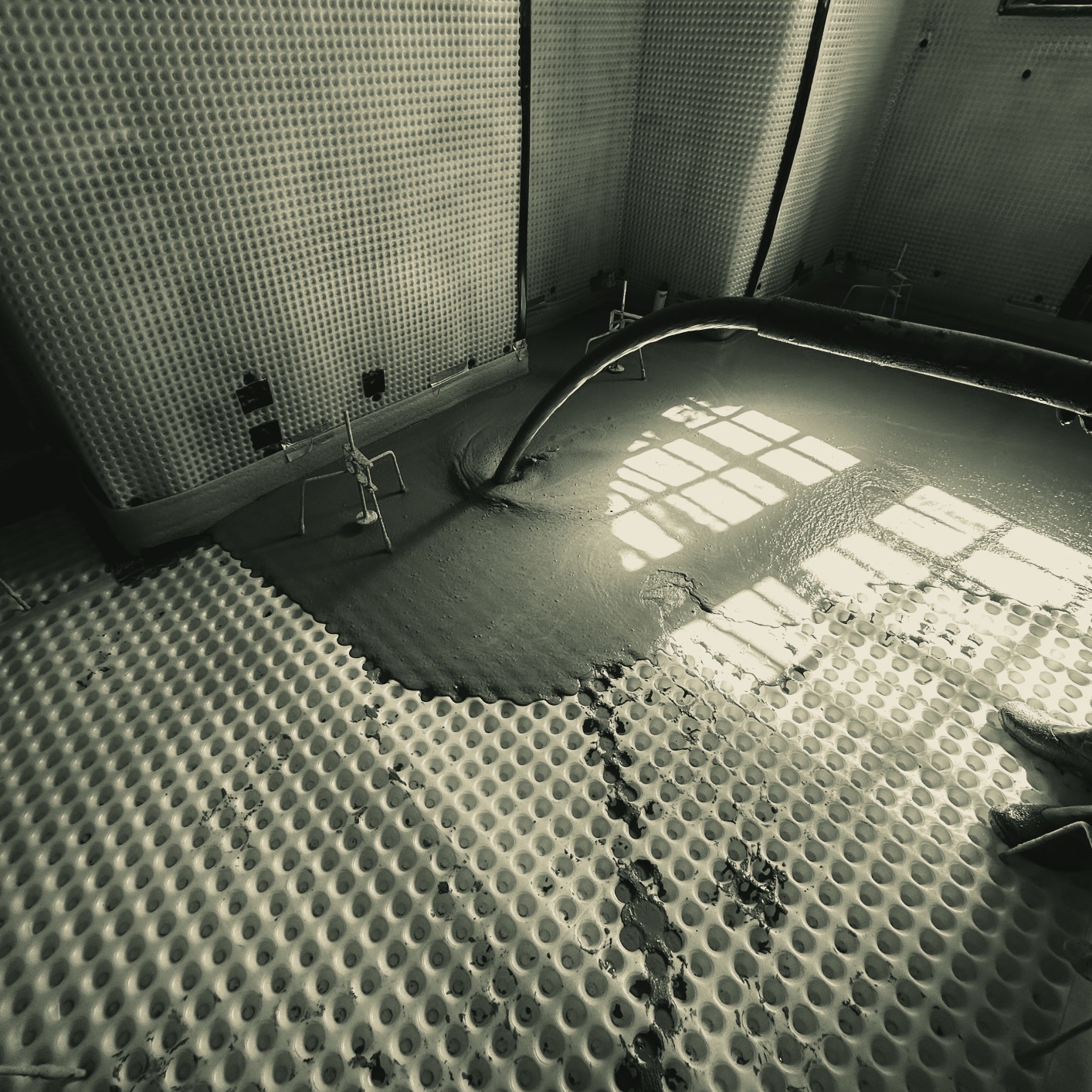
Liquid screed, also called flow screed or flowing screed, can provide efficient coverage across larger areas. Its fluid consistency enables it to spread throughout a properly prepared floor construction and produce good surface regularity.
Flowing screed is frequently used in new developments, modern extensions, apartments and properties with underfloor heating. It can surround heating pipes closely and create consistent coverage throughout the installation area.
Preparation must be completed before pouring begins. Membranes should be sealed, insulation must remain stable, and any openings through which the material could escape need to be closed.
Traditional and flowing screed systems offer different advantages. The most appropriate option depends on the available depth, site conditions, project programme and final flooring material.
Residential Concrete Levelling
Concrete levelling may be needed in kitchens, bathrooms, living rooms, extensions, basements, garages, flats and complete houses.
Renovation projects often expose uneven concrete after old tiles, carpets or timber floors are removed. Adhesive residue and previous repairs may create further irregularities that must be addressed before new flooring is fitted.
Open-plan conversions can reveal differences between rooms that were originally constructed or renovated separately. Professional levelling can help connect these areas and create a more consistent base for one continuous floor finish.
Screed London UK works with private homeowners and residential builders, providing solutions based on the condition and intended use of each floor.
Concrete Levelling for Extensions
The concrete slab in a new extension must connect correctly with the existing property. The complete construction may include a damp-proof membrane, insulation, underfloor heating, screed, adhesive and final flooring.
All these components affect the finished height. If they are not considered during planning, the new floor may finish above or below the neighbouring room.
The screeding contractor should be involved before the final floor build-up is confirmed. Accurate measurements can then be used to establish the required screed depth and transitions.
Sand and cement screed can also accommodate controlled changes in level where a completely continuous surface is not possible.
Commercial Concrete Levelling
Screed London UK provides concrete levelling for offices, shops, restaurants, hotels, schools, warehouses, workshops, apartment developments and mixed-use buildings.
Commercial refurbishments often reveal variations after old partitions, machinery, raised floors or surface materials have been removed. Levelling these areas provides a more suitable base for carpet tiles, vinyl, resin, tiles or timber.
Businesses and contractors frequently work towards fixed opening or handover dates. Assessing the floor early allows the necessary preparation and screeding to be included within the construction programme.
The company can coordinate with site managers and flooring contractors to complete the levelling at the appropriate stage of the project.
Concrete Levelling and Underfloor Heating
A concrete base may form the structural layer beneath an underfloor heating system. Insulation, membranes, heating pipes and screed are then installed above it to create the complete heated floor.
The insulation should be laid securely, perimeter edging must be fitted and all heating pipes need to be fixed and tested. The required floor level should account for the screed and selected final covering.
Traditional sand screed or flowing screed may be used, depending on the system design and project requirements. The screed protects the pipework and helps distribute heat across the room.
After installation, it must be allowed to dry appropriately. Underfloor heating should be commissioned gradually and only when the selected screed system is ready.
Creating Falls and Planned Gradients
Not every concrete floor is intended to be completely horizontal. Bathrooms, balconies, commercial kitchens and other areas containing drainage may require a planned fall.
Traditional screed can be shaped to direct water towards a drain while providing a stable base for the chosen finish. The required gradient and drainage position should be established before installation begins.
An experienced screeding contractor can distinguish between unwanted unevenness and an intentional floor profile, ensuring that the completed surface suits its intended purpose.
Floor Preparation Before Levelling
Correct preparation is essential for reliable concrete levelling. The area should be clear, accessible and protected from unsuitable weather conditions.
Where a bonded system is planned, the substrate may require mechanical preparation and thorough cleaning. Membranes, insulation and perimeter edging should be installed correctly for unbonded or floating systems.
Existing services must be secured, while finished floor levels and movement joints should be marked in advance. Parking, unloading and access through the building should also be considered, particularly on projects in busy parts of London.
Screed London UK can explain the preparation requirements before the scheduled installation date.
Why Choose Screed London UK?
Screed London UK has years of experience delivering professional concrete levelling, floor preparation and screeding services.
The company offers traditional sand and cement screed, bonded screed, unbonded screed, floating screed and flowing screed solutions. Every recommendation is based on the property, substrate and final flooring rather than applying the same system to every project.
Customers receive clear communication, practical guidance, competitive quotations and professional workmanship from an experienced team.
Concrete Levelling Services Across London
Screed London UK operates throughout Central, North, South, East and West London. The service covers Westminster, Kensington, Chelsea, Fulham, Hammersmith, Ealing, Hounslow, Wembley, Camden, Islington, Hackney, Stratford, Greenwich, Croydon, Bromley, Wimbledon and surrounding districts.
Customers in other locations can provide the project postcode to confirm availability. Accurate access and floor information will help the team prepare an appropriate quotation.
Get a Concrete Levelling Quote in London
If uneven concrete is preventing your flooring project from moving forward, contact Screed London UK to discuss a professional solution.
Provide the address, approximate floor area, condition of the existing concrete and required finished level. Information about underfloor heating, the intended floor covering and preferred installation date will help the team assess the work.
Plans, photographs and level measurements can also be supplied. Contact Screed London UK today for reliable residential or commercial concrete levelling in London.