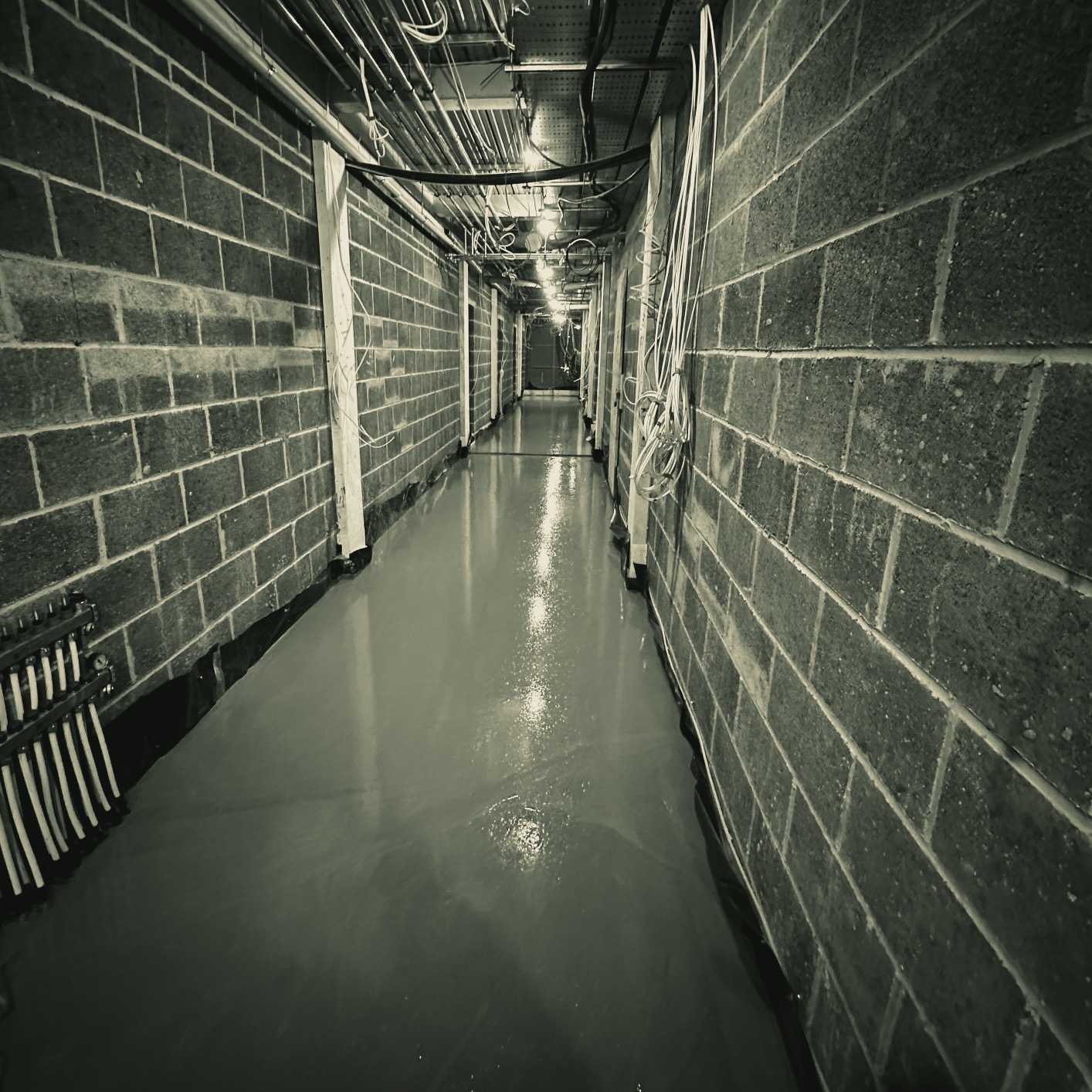
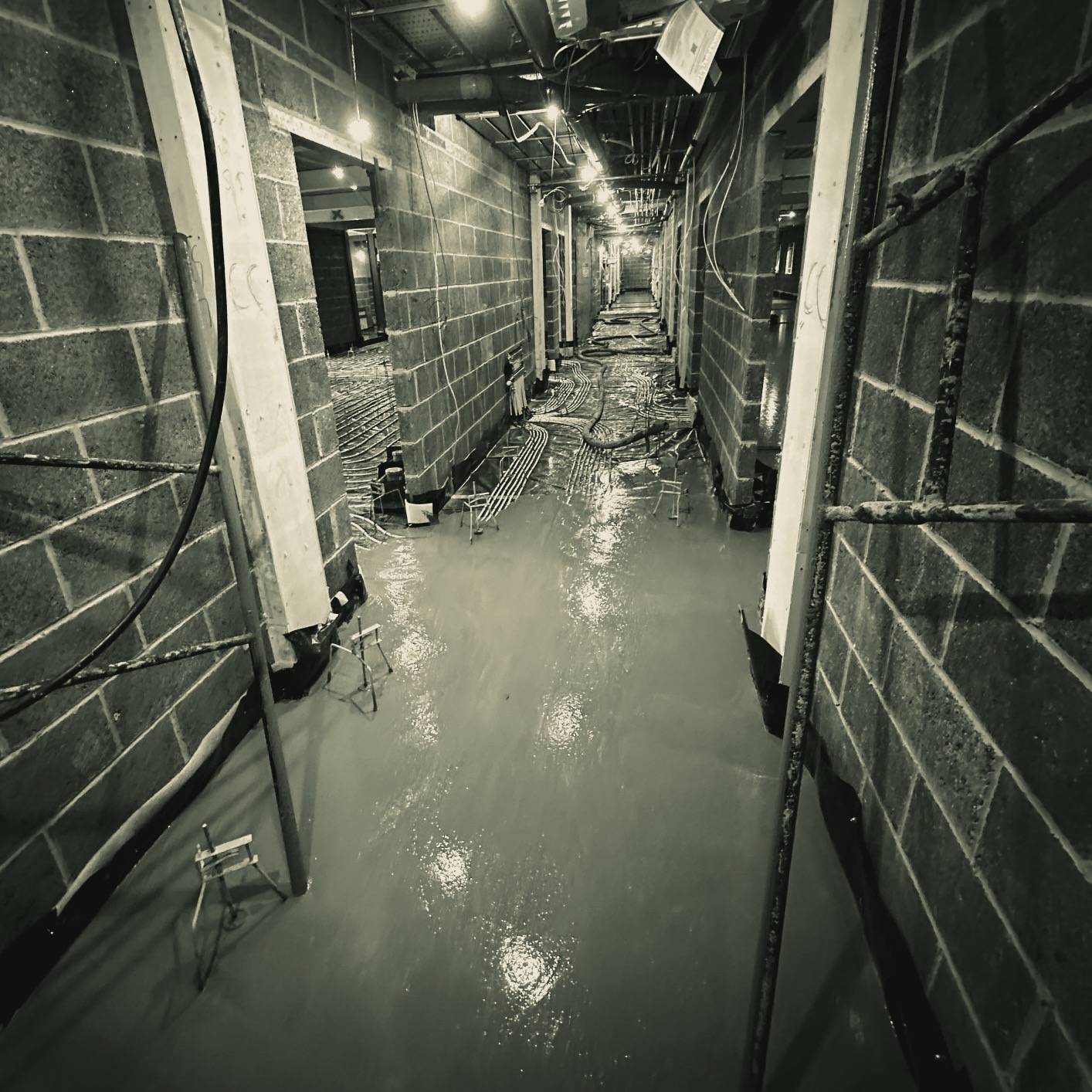
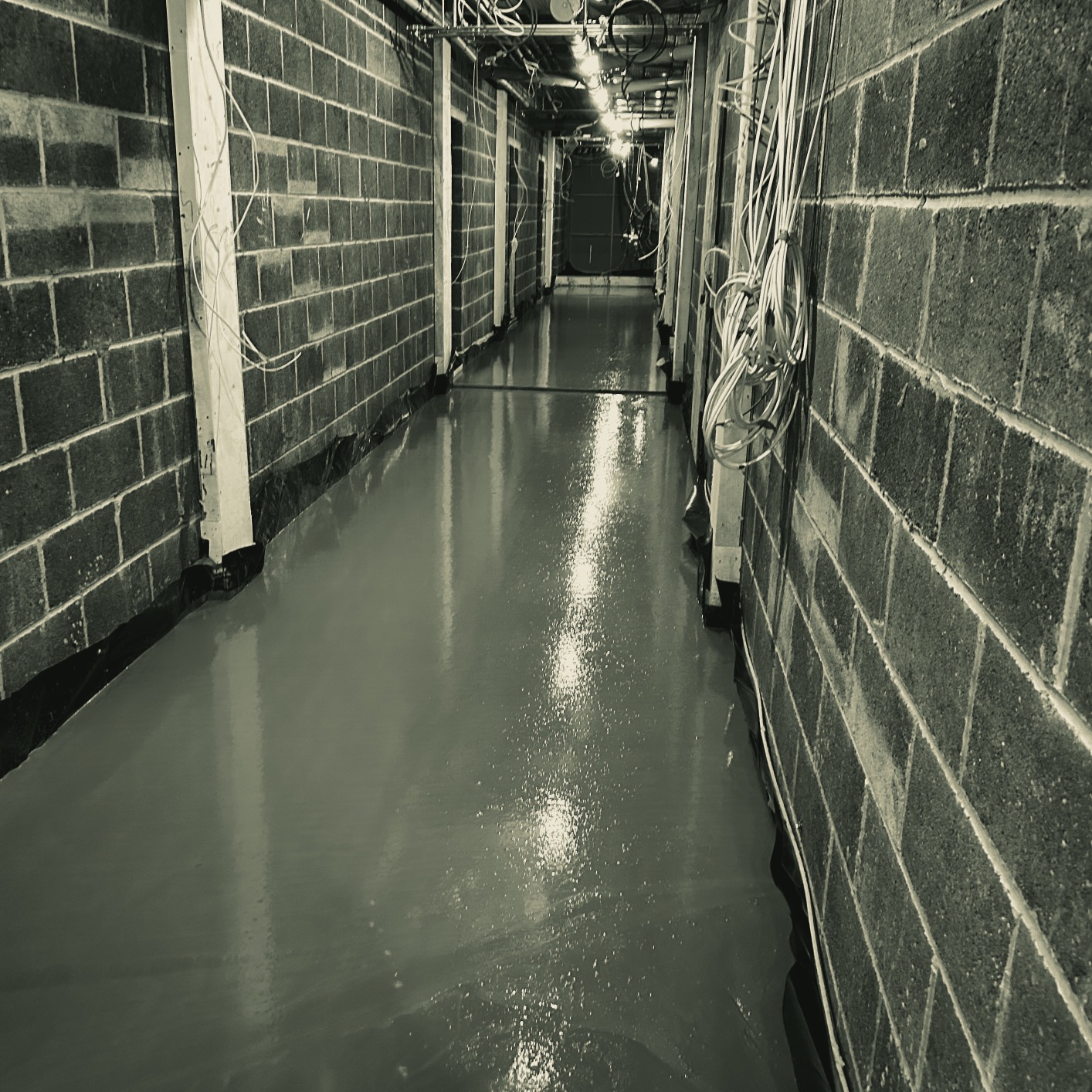
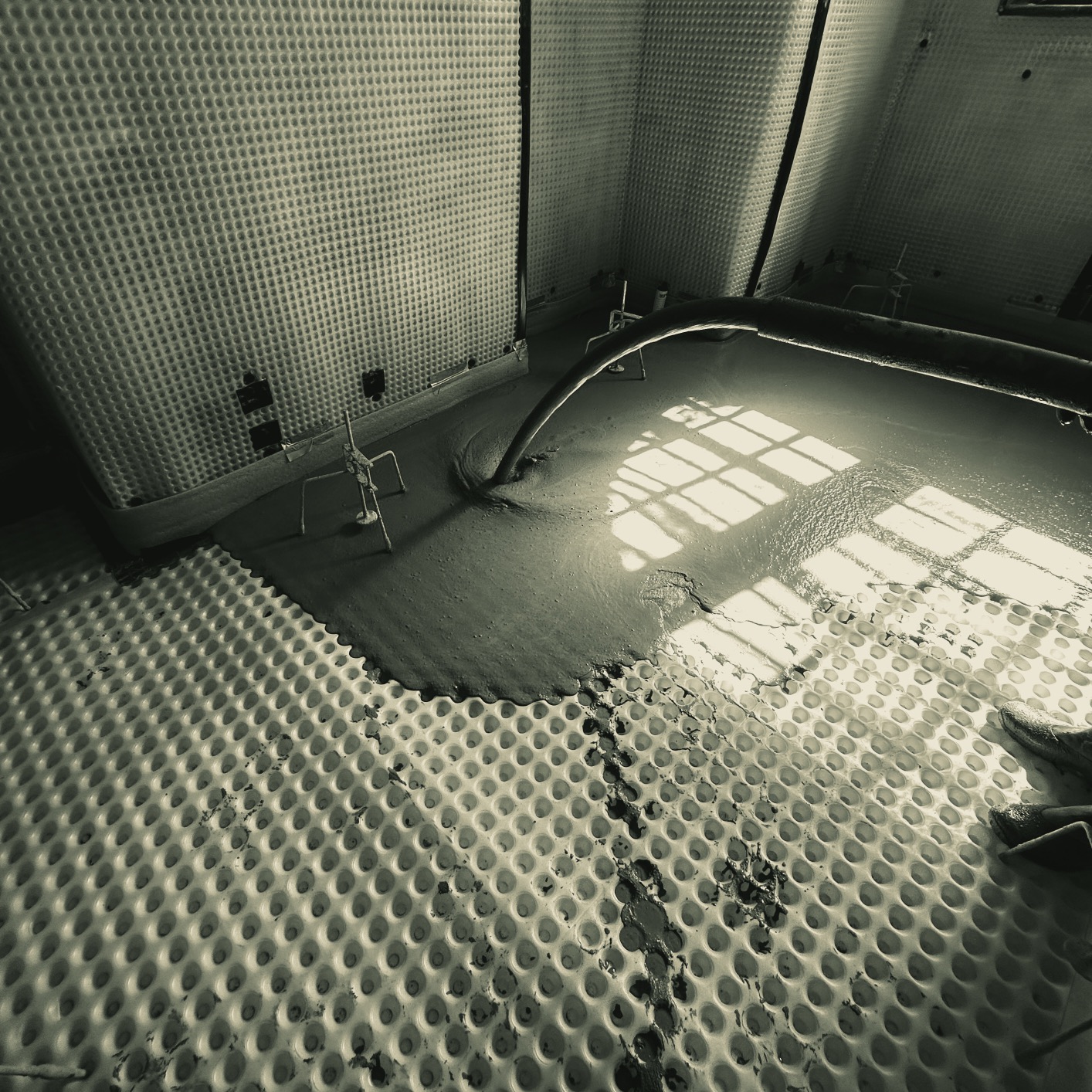
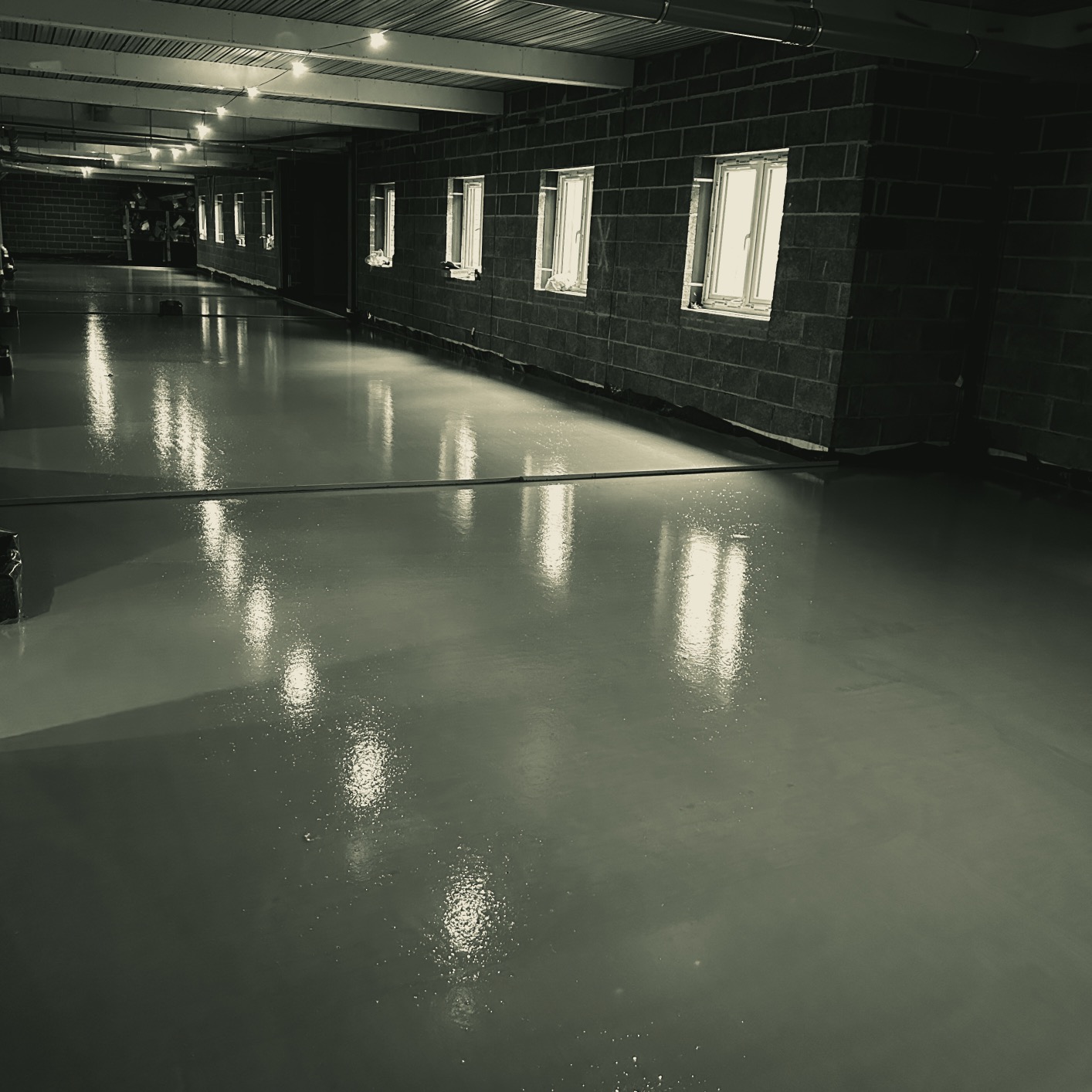
Bonded screed provides a strong and practical method of creating a smooth, level floor when the available construction depth is limited. By connecting the new screed directly to a properly prepared structural substrate, this system can form a dependable base for many final floor finishes.
Screed London UK provides professional bonded screed installation throughout London. With years of industry experience, the company works with homeowners, landlords, builders, developers and commercial clients on new-build, renovation and refurbishment projects.
Every floor is assessed individually to determine whether bonded screed is suitable for the substrate, required thickness and intended use of the space.
Professional Bonded Screed Contractors in London
A bonded screed is installed directly onto a concrete base using an appropriate bonding method. The bond between the two layers helps the screed function with the structural substrate beneath it.
This construction is different from unbonded screed, which is separated from the base by a membrane, and floating screed, which is installed over insulation.
The existing concrete must be structurally sound and correctly prepared. Dust, weak surface material, paint, oil, adhesive and other contaminants can interfere with adhesion and affect the completed installation.
Screed London UK assesses the substrate and proposed floor construction before recommending a bonded screed system. The correct preparation, screed mixture and installation depth depend on the project specification and site conditions.
When Is Bonded Screed Used?
Bonded screed is frequently considered where there is insufficient depth for a thicker unbonded or floating construction. This can make it useful during renovations and commercial refurbishments where existing doors, stairs and adjoining floors restrict the available height.
The system may also be selected where the screed needs to follow the structural concrete closely and provide a new surface for the final flooring.
A bonded installation can be used in houses, flats, offices, retail premises, restaurants and other buildings. However, it is not automatically suitable for every substrate.
The concrete base must be capable of supporting the new screed and creating a reliable bond. Significant cracks, moisture problems or structural movement should be investigated before installation proceeds.
Preparing Concrete for Bonded Screed
Preparation is one of the most important parts of a bonded screed installation. The screed depends on adhesion to the substrate, so the concrete must provide a clean and suitable surface.
Existing paint, coatings, adhesive residue, oil, dust and weak laitance may need to be removed. Mechanical preparation can help expose sound concrete and create an appropriate surface profile.
The floor should then be cleaned thoroughly to prevent loose material from remaining between the substrate and bonding layer. Any local damage or unsuitable sections should also be assessed.
An appropriate bonding system is applied before the screed is placed. The exact method depends on the screed specification and condition of the concrete.
Poor preparation can weaken the bond and increase the risk of failure. For this reason, bonded screeding should be completed by an experienced contractor who understands the relationship between the substrate, bonding material and new screed.
Traditional Bonded Sand and Cement Screed
Traditional sand and cement screed is commonly used for bonded installations. It is produced from a controlled mixture of sharp sand, cement and water, with fibres or specialist additives included where required.
The semi-dry material is placed over the prepared bonding layer, compacted and finished to the specified level. Experienced installers can create an even surface while also forming planned falls or changes in height.
Traditional screed can provide a suitable base for tiles, timber, engineered wood, carpet, vinyl, luxury vinyl tiles and resin flooring systems.
Before the final covering is installed, the screed must be allowed to dry sufficiently. Its moisture condition should meet the requirements of the selected flooring and adhesive system.
Bonded Screed for Floor Levelling
Bonded screed can be used to correct variations in an existing concrete floor and establish a new finished level.
This may be necessary when old flooring is removed and reveals an uneven substrate. It can also help connect adjoining areas or prepare a floor that does not meet the requirements of the planned finish.
The available depth should be measured across the entire installation area. Door thresholds, stairs, kitchen units and neighbouring rooms must also be considered when establishing the required screed level.
If the depth varies significantly, the proposed system should be reviewed to confirm that it remains appropriate throughout the floor. Screed London UK can assess these details and recommend a practical solution.
Residential Bonded Screeding
Screed London UK provides bonded screed for houses, flats, apartments, kitchens, bathrooms, living rooms, basements, garages and utility spaces.
Residential renovations frequently have limited floor depth because the existing structure, doors and stairs cannot easily be altered. Bonded screed may provide a suitable way to create a new floor base without introducing an unnecessarily deep construction.
It can also be used during the renovation of older concrete floors, provided the substrate is sound and capable of accepting the new material.
The intended final flooring should be identified before screeding begins. This allows the installation team to account for the thickness of tiles, timber, vinyl or another covering when establishing the finished level.
Commercial Bonded Screed Services
Bonded screed is suitable for many commercial refurbishment and construction projects. It may be used in offices, shops, restaurants, hotels, schools, workshops and other business premises.
Commercial properties often have fixed door levels, shopfronts and transitions into communal areas. These restrictions can make the available floor depth an important consideration.
Professional planning helps coordinate the screed with the final covering and wider refurbishment programme. The installation should be scheduled early enough to allow appropriate drying before flooring work begins.
Screed London UK works with contractors, developers, property managers and business owners, providing professional bonded screed services throughout London.
Bonded Screed and Underfloor Heating
Bonded screed is not normally selected simply because a property has underfloor heating. Many heated floors use a floating construction in which the screed is installed over insulation and around the heating pipes.
However, every floor design is different. Some specialist systems or refurbishment projects may involve heating within a bonded floor build-up.
The heating manufacturer’s requirements, screed specification and available depth must all be reviewed before installation. The pipes or heating elements should be secured and tested, while movement and thermal expansion must be considered.
Screed London UK can discuss the proposed floor construction with the builder and heating installer to determine whether bonded screed is appropriate or whether another solution would be more suitable.
Bonded, Unbonded or Floating Screed?
The choice between bonded, unbonded and floating screed depends on the condition of the substrate and design of the complete floor.
Bonded screed is connected directly to a prepared structural base and can be useful when installation depth is restricted. Unbonded screed is separated from the substrate by a membrane, while floating screed is installed over thermal or acoustic insulation.
Each system has different minimum depth and preparation requirements. Selecting an unsuitable construction can affect the durability of the floor.
An experienced screeding contractor can review the substrate, available height and intended use before recommending the appropriate solution.
Bonded Screed for Different Floor Finishes
Bonded screed can create a suitable base for numerous floor coverings, but the surface must meet the requirements of the selected finish.
Tiles require a stable base and appropriate movement details. Vinyl and luxury vinyl tiles need a smooth surface because imperfections may remain visible after installation. Timber flooring requires careful moisture assessment before it is fitted.
Resin systems can also have specific preparation and surface requirements. The final flooring contractor’s instructions should therefore be considered during the planning stage.
The screed should not be covered until it has dried sufficiently and any necessary preparation has been completed.
Drying Bonded Screed
Drying times depend on the screed mixture, thickness, environmental conditions and use of specialist additives. The project programme should allow adequate time before moisture-sensitive flooring is installed.
The property should be protected from extreme temperatures, rain and uncontrolled draughts. Forced drying methods should not be introduced without considering the screed manufacturer’s or specification requirements.
A suitable moisture test may be required before timber, vinyl or another sensitive covering is applied. Relying only on the appearance of the surface may not provide enough information about moisture deeper within the screed.
Why Choose Screed London UK?
Screed London UK has years of experience providing bonded, unbonded, floating and flowing screed solutions for private and commercial clients.
Each project is reviewed individually, allowing the team to consider the condition of the concrete, available depth, planned use and final flooring. Customers receive clear communication, practical guidance, reliable scheduling and professional installation.
The company supports small residential renovations, complete property refurbishments and larger commercial developments throughout London.
Bonded Screed Services Across London
Screed London UK operates throughout Central, North, South, East and West London. Services are available in Westminster, Kensington, Chelsea, Fulham, Hammersmith, Ealing, Hounslow, Wembley, Camden, Islington, Hackney, Stratford, Greenwich, Croydon, Bromley, Wimbledon and surrounding locations.
Customers in other districts can provide the project postcode to confirm availability. Accurate information about parking, access and the floor location will help the team plan the installation.
Request a Bonded Screed Quote in London
If you need to create a new floor base over an existing concrete substrate, contact Screed London UK to discuss professional bonded screed installation.
Provide the project address, approximate floor area, condition of the existing concrete and required screed depth. Details of the intended floor covering, preferred installation date and any access restrictions will help the team assess the work.
Plans, photographs and technical specifications can also be supplied. Contact Screed London UK today for a competitive bonded screed quotation in London.