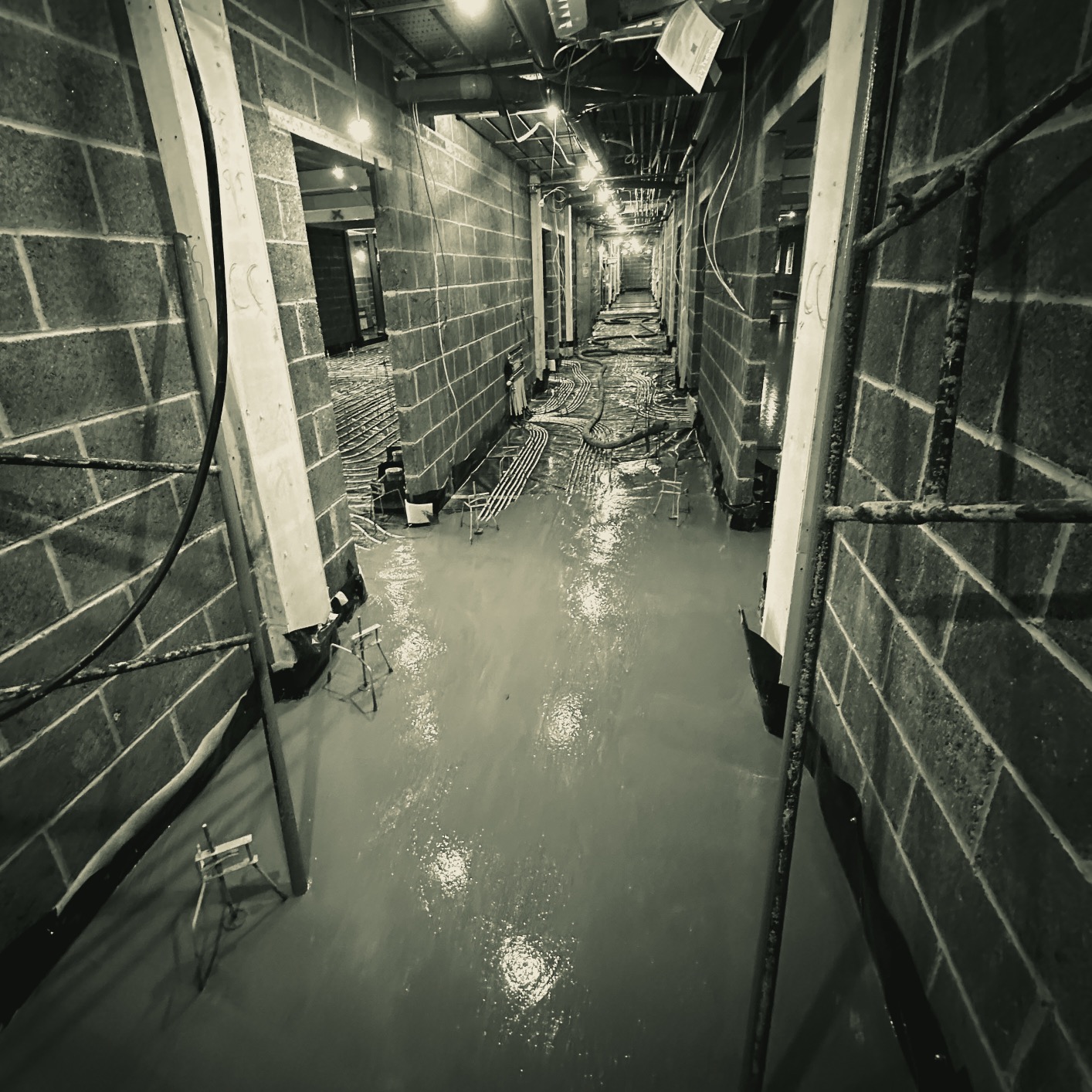
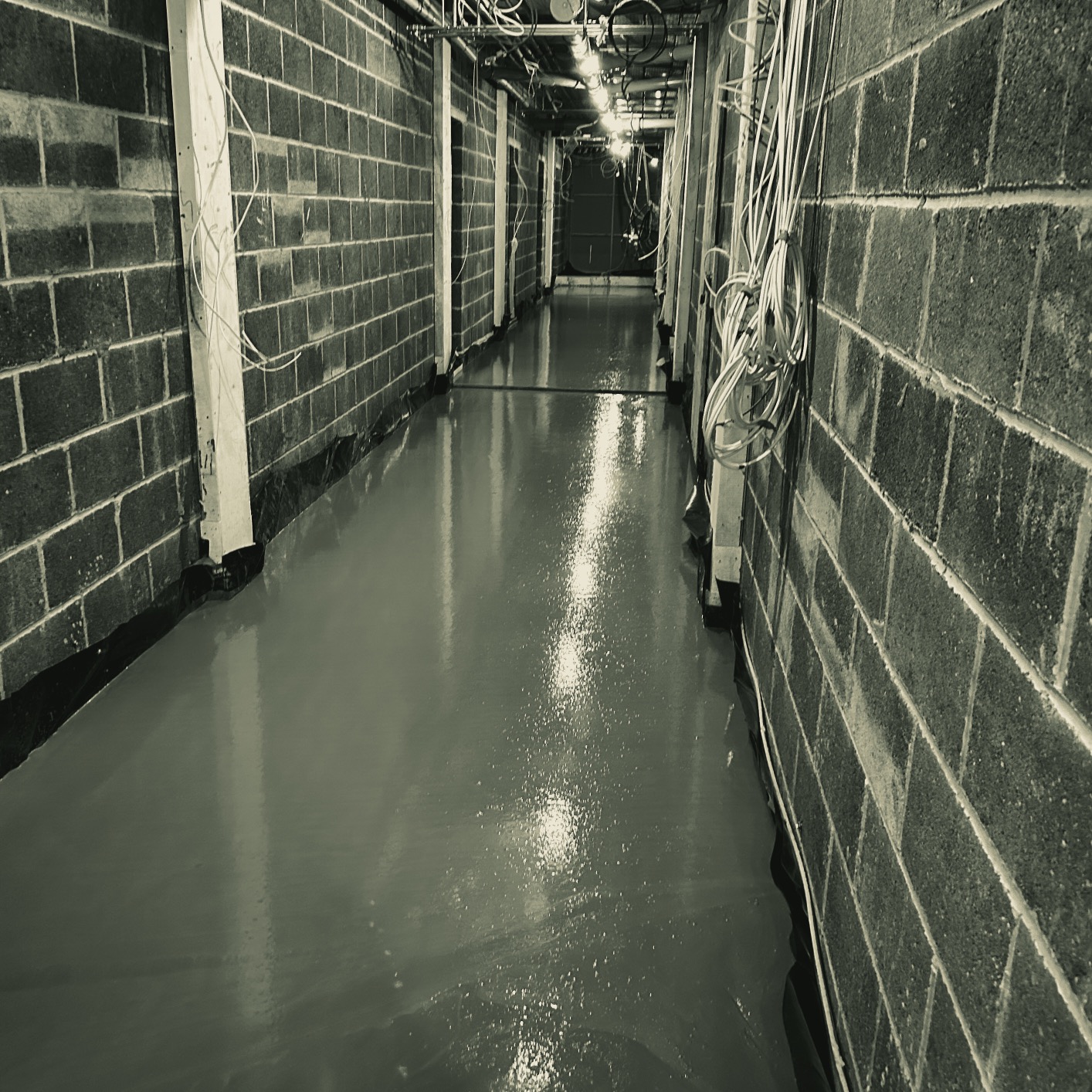
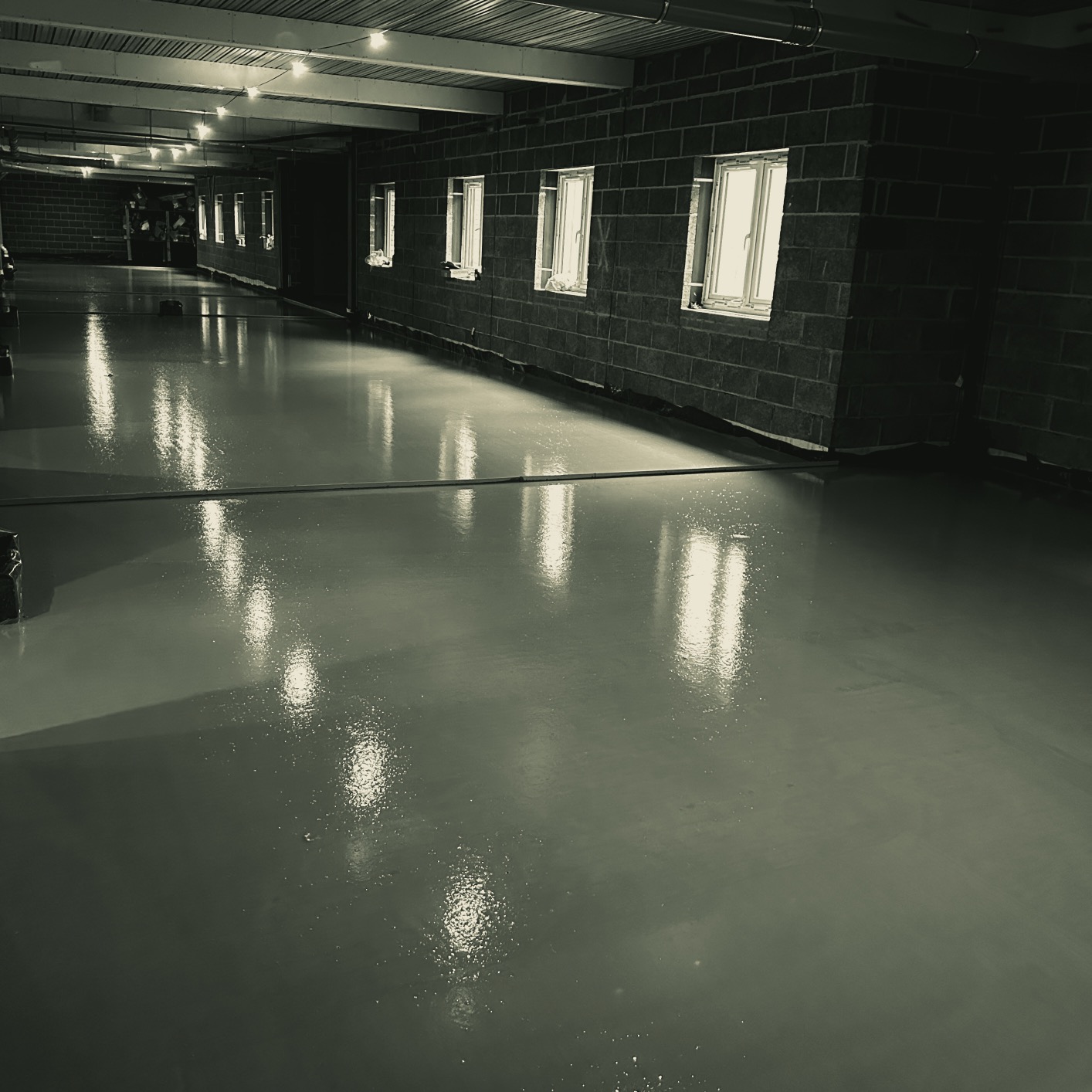
Bonded sand screed is a durable and practical flooring solution used to create a smooth, stable base directly over a structural concrete substrate. It is particularly useful when the available floor depth is limited and a thicker unbonded or floating construction cannot be accommodated.
Screed London UK provides professional bonded sand screed services throughout London. With years of industry experience, the company works with homeowners, builders, landlords, developers and commercial clients on renovation, refurbishment and new construction projects.
Every installation begins with an assessment of the existing concrete, required screed depth and planned final flooring. This helps determine whether a bonded system is appropriate for the project.
Professional Bonded Sand Screed Contractors in London
Bonded sand screed is usually produced from a controlled mixture of sharp sand, cement and water. Fibres or specialist additives may also be incorporated when required by the technical specification.
The material is connected directly to a prepared concrete base using an appropriate bonding system. It is then compacted and finished to establish the required floor level.
The bond between the structural concrete and new screed is an essential part of the installation. If the substrate is contaminated, weak or inadequately prepared, the screed may not adhere correctly.
Experienced screed contractors understand how to assess and prepare the floor before placing the new material. Screed London UK considers the substrate, available depth and intended use of the area before recommending a bonded installation.
When Is Bonded Sand Screed Suitable?
Bonded screed is often used during property renovations where the existing floor height cannot be increased significantly. Door thresholds, stairs, fitted furniture and adjoining rooms may restrict the available construction depth.
It can also be used to correct concrete floor levels or provide a new base for tiles, timber, vinyl, carpet and other finishes.
The system is suitable for many residential and commercial environments, subject to the condition of the structural floor. The concrete must be sufficiently sound and stable to support the screed.
Floors containing significant structural movement, unresolved cracks or moisture problems may require additional assessment before bonded screeding can begin.
Concrete Preparation for Bonded Screed
Correct preparation is critical because bonded sand screed relies on adhesion to the existing substrate.
Paint, oil, old adhesive, dust, dirt and weak surface material may prevent the bonding system from performing correctly. The concrete may therefore require mechanical preparation to expose a clean and sound surface.
After preparation, the floor should be thoroughly cleaned. Any cracks, damaged sections or local irregularities must also be assessed before the bonding layer is applied.
The bonding material and screed are installed according to the selected system and specification. Timing can be important because the screed must connect properly with the bonding layer.
Attempting to install bonded screed over an unsuitable or dirty substrate can reduce the reliability of the complete floor. Professional preparation should therefore be included within the project rather than treated as an optional extra.
Bonded Sand and Cement Screed
Traditional bonded screed combines the proven properties of sand and cement with a direct connection to the structural base.
Its semi-dry consistency allows skilled screeders to control the surface and create specific floor levels. It can also be formed to produce falls, slopes and transitions where required.
This flexibility makes bonded sand screed suitable for kitchens, bathrooms, corridors, commercial premises and other locations with detailed floor requirements.
Once installed, the screed needs appropriate curing and drying conditions. The final flooring should only be fitted after the surface has reached the moisture condition required by the selected covering.
Bonded Sand Screed for Floor Levelling
Bonded sand screed can correct an uneven concrete floor and establish a new finished height. It may be used where the existing base contains variations that are too substantial for a thin levelling material.
Accurate measurements should be taken throughout the area before installation begins. This helps identify high and low points and confirms whether the proposed screed depth is suitable across the complete floor.
The finished level should account for tiles, engineered wood, vinyl or another covering. Door openings, stairs and adjoining rooms must also be considered.
Screed London UK can review the required levels and provide a screeding solution based on the condition of the property.
Residential Bonded Sand Screeding
Bonded sand screed can be installed in houses, flats, apartments, kitchens, bathrooms, living rooms, basements, garages and utility areas.
Older properties frequently contain concrete floors affected by previous renovations. Removing tiles, carpet or timber may reveal adhesive residue, surface damage and different floor heights.
A bonded screed can create a new base without introducing the depth associated with some other floor constructions. However, the existing concrete must be prepared correctly and capable of supporting the installation.
During residential work, floor levels should be coordinated with doors, kitchen units, skirting, stairs and neighbouring rooms. Early planning can prevent expensive changes later in the renovation.
Bonded Screed for Extensions
A new extension may need to connect with an existing concrete floor while remaining within a restricted finished height.
Bonded sand screed can help create the required level over the new or existing structural base, provided the proposed construction is technically appropriate.
The thickness of insulation, heating systems, screed, adhesives and finished flooring should be considered before the floor design is finalised.
Where insulation or underfloor heating is positioned directly beneath the screed, a floating system may be more appropriate than a bonded one. Screed London UK can review the floor build-up and help identify the correct solution.
Commercial Bonded Sand Screed
Screed London UK provides bonded sand screed for offices, shops, restaurants, hotels, schools, workshops and other commercial premises.
Refurbishment projects often have limited floor depth because existing doors, shopfronts, lifts and communal areas cannot easily be altered. A bonded screed may provide a practical method of preparing the floor while maintaining the planned finished height.
Commercial work frequently follows a strict schedule. The screeding must be completed early enough to allow sufficient drying before the final floor covering is installed.
Access, parking, material delivery and movement through the building should be discussed during the quotation stage. This allows the team to plan the work efficiently and coordinate with other contractors.
Bonded Screed and Underfloor Heating
Many underfloor heating systems use a floating screed installed over insulation rather than a screed bonded directly to structural concrete.
However, specialist heating systems and refurbishment projects may use different floor constructions. The screed design, heating manufacturer’s requirements and available depth should therefore be reviewed before work begins.
Heating components must be secure and tested, while thermal movement and drying procedures must be considered. The system should not be commissioned until the screed is ready.
An experienced contractor can discuss the proposed build-up with the builder and heating installer to establish whether bonded sand screed is suitable.
Bonded, Unbonded and Floating Sand Screed
Bonded screed is connected directly to a prepared structural substrate. Unbonded screed is separated from the base by a membrane, while floating screed is installed over thermal or acoustic insulation.
The three systems have different construction and depth requirements. The most appropriate option depends on the building, substrate and purpose of the floor.
Bonded screed can be particularly valuable where height is restricted, but it requires excellent substrate preparation. Unbonded and floating systems may be preferable where membranes or insulation form part of the floor construction.
Screed London UK provides different screeding solutions and can recommend a suitable method after reviewing the project.
Drying Bonded Sand Screed
The time required for the screed to dry depends on its thickness, composition and surrounding conditions. Specialist additives may alter the expected programme.
The building should be protected from unsuitable temperatures, rain and excessive draughts during installation and initial curing.
Timber, vinyl and other moisture-sensitive finishes should not be installed until the screed has reached an acceptable moisture condition. A suitable test may be required before the flooring contractor proceeds.
Allowing enough drying time within the construction programme can help prevent delays and reduce the risk of moisture-related flooring problems.
Why Choose Screed London UK?
Screed London UK has years of experience providing bonded sand screed and professional flooring solutions for residential and commercial customers.
Every project is assessed individually. The team considers the condition of the concrete, screed depth, site access, final floor finish and wider construction programme.
Customers receive clear communication, practical guidance, competitive quotations and reliable workmanship. The company also provides unbonded screed, floating screed, traditional floor screed, flowing screed and concrete floor levelling.
Bonded Sand Screed Across London
Services are available throughout Central, North, South, East and West London. Screed London UK operates in Westminster, Kensington, Chelsea, Fulham, Hammersmith, Ealing, Hounslow, Wembley, Camden, Islington, Hackney, Stratford, Greenwich, Croydon, Bromley, Wimbledon and surrounding districts.
Customers in other areas can provide the project postcode to confirm availability. Information about site access, parking and floor location will help the company prepare an accurate quotation.
Request a Bonded Sand Screed Quote
If you need a durable floor base over an existing concrete substrate, contact Screed London UK to discuss professional bonded sand screed installation.
Provide the project address, approximate floor area, required screed depth and condition of the existing concrete. Details of the final flooring, access restrictions and preferred installation date will also help the team assess the project.
Plans, photographs and technical specifications can be supplied where available. Contact Screed London UK today for a competitive bonded sand screed quotation in London.